10 September, 2026
If Machines Can Do More and More, What Is Education For?
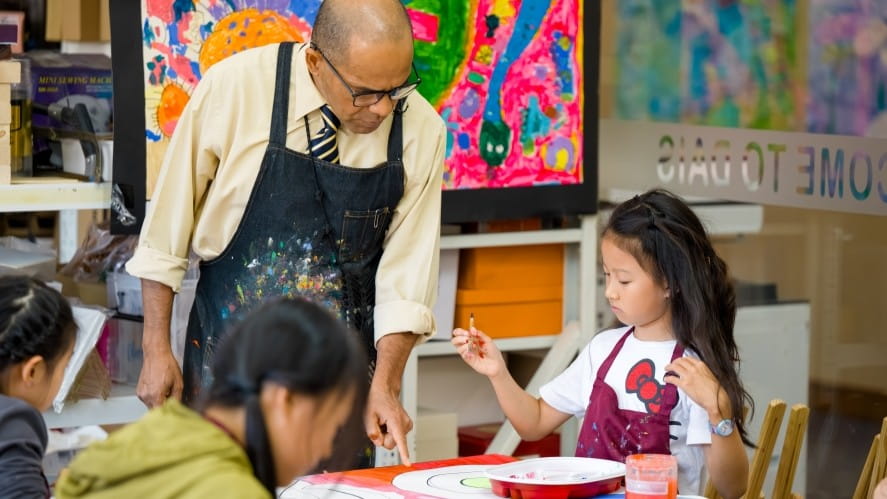

The big question from Elizabeth King, former Director of Education at the World Bank, tackles the identification of purpose. In these rapidly changing times, of course, education must be impacted. But education is basically a human process, where the educator is committed to developing skills in students, focusing on well-being, and considering the pace of learning, values, attitudes, and culture, just to mention some aspects of the student.
On August 4th, the WEF released an article titled “Why Human Connection Must Be at the Heart of Education in the AI Age,” written by Isabelle Hau from Stanford University.
AI is learning fast and can perform cognitive skills and also mimic empathy. Last week, during the Robot Olympiad, we saw how machines reproduce movements and actions, run faster than humans, and even mimic Usain Bolt. So, what should education value most?
Now we talk about RQ (Relational Intelligence), similar to Gardner’s Interpersonal Intelligence, where human beings can meet, know, and connect with each other. This RQ focuses on building trust, collaborating, and solving conflicts together. It also captures my attention because creativity is not an isolated process. It is the result of interactions and collaboration. Nothing was created from zero. Everything is a result of multiple contributions and influences. That is creativity, and creativity is a demonstration of healthy human brains.
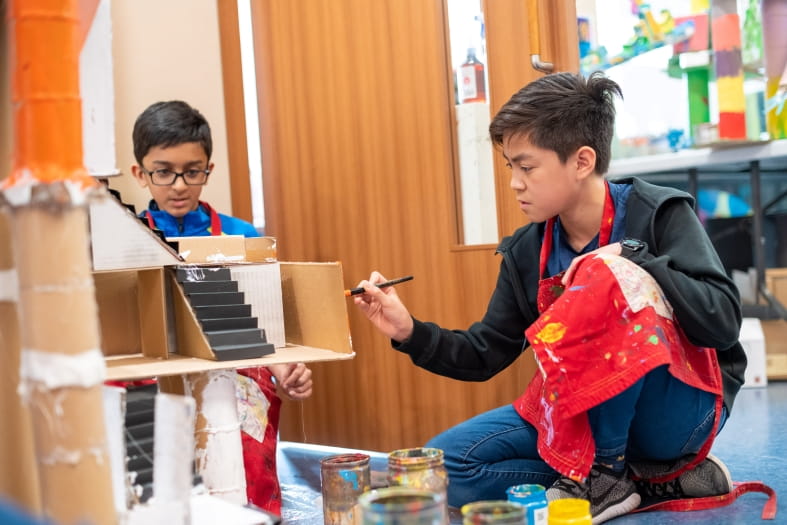
Then, the arrival of AI should strengthen human connections by providing more time to attend to those who need support.
The article questions what we educators should value within our practices. But there are also some challenges:“Education risks optimizing for what AI does well instead of what humans most need to become.” It also states that technologies that make learning feel easy are not helping learners develop the capabilities they will need most. That is why schools, educators, and education are so important.
Yuval Harari, in his book 21 Lessons for the 21st Century, mentions that the task of human beings must be to find purpose and meaning. Who are you? What are you? Those will be the main questions humans face in the face of the unstoppable growth of AI.
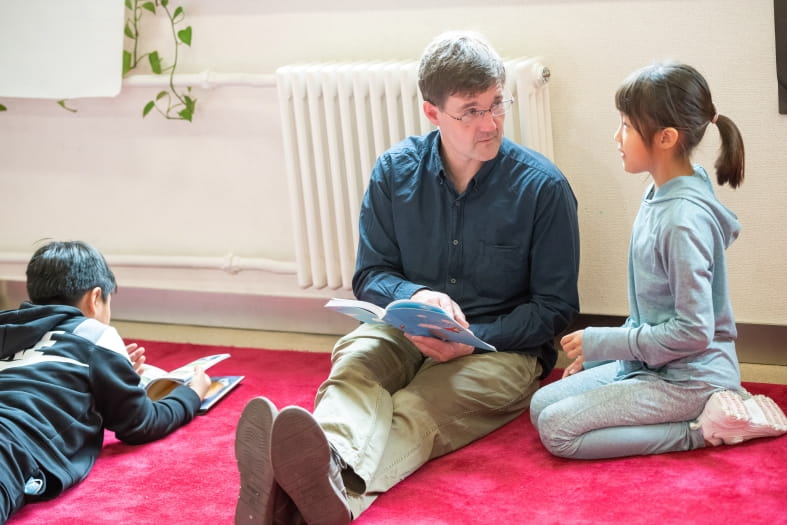
What should we build? Relationships, where we can learn resilience and enhance well-being, ensuring lifelong flourishing. Because learning is a human, emotional, and profoundly social process.
“Education’s highest purpose is not simply to help humans compete with machines—it is to help humans become more deeply human.”
Human connections are the purpose. AI generates information; humans generate trust, meaning, cooperation, leadership, collective action, and creativity.
Written by Mr. Martin Moratillo
Head of Art and Design Department at DAIS
Related news
News image ![Mr. Martin with Early Years kids]() Blog | Whole school
Blog | Whole school
 Blog | Whole school
 How AI Will Force Us to ‘Rethink’ Education
If AI can increasingly perform many cognitive tasks for us, perhaps the purpose of education will become less about what we can process and more about why we think, what and why we create, how we relate to others, and what kind of human beings we choose to become.
News image ![Saturday school]() News | Whole school
News | Whole school
 News | Whole school
 DAIS Saturday School 2026: Registration Is Open
From early learning and English development to exam preparation, robotics, science and business, Saturday School offers focused learning beyond the regular school week.