19 October, 2026
AI in Our Classrooms: Teaching and Learning in the AI Era
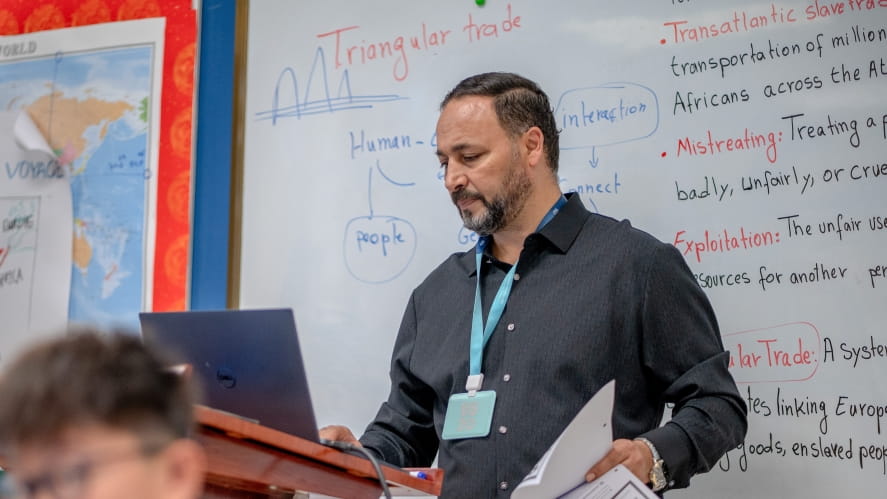

Artificial intelligence is already part of today’s educational environment. At Dalian American International School, we are exploring how it can strengthen teaching and learning while ensuring students continue to develop the knowledge, creativity, judgment, resilience, and critical-thinking skills they need for the future.
This was one area of focus during our Secondary School Professional Development Days on October 8–9. Over two days, DAIS educators had dedicated time to share ideas, examine classroom practice, and learn from one another.
The program covered a wide range of areas connected to teaching and learning. Teachers explored teaching standards and objective setting, safeguarding, grading and assessment, cross-curricular projects and inquiry-based learning, classroom management, and the use of Toddle. They also had dedicated time for academic department and grade-level collaboration.
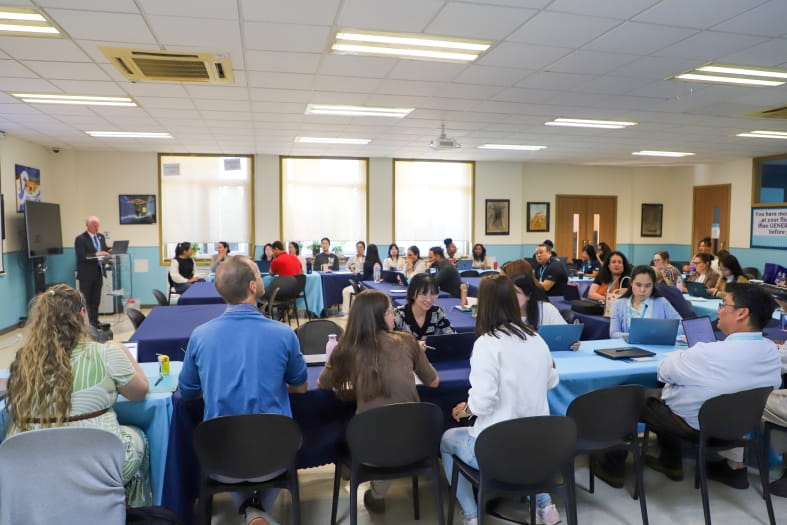
Four choice sessions gave teachers opportunities to explore AI as a Teaching Partner, Leadership Paradox, Gamification, and AI in the Classroom. The program also introduced the AI Competency Framework, which teachers continued to explore within their academic departments.
How Are Teachers Already Using AI?
During the AI in the Classroom session led by Peter Waldvogel, teachers shared practical experiences, solutions, and examples of how they are already experimenting with AI in their teaching.
The conversation demonstrated how broadly AI is already being used as a practical teaching and planning tool. Teachers shared examples including designing differentiated in-class assignments, homework, assessments, and instructional materials; developing aligned assessments with scaffolding and differentiation; brainstorming classroom activities; planning lessons; generating vocabulary lists; gathering references and background information; developing inquiry questions; providing translation and language support; and evaluating student work, particularly formative work.
Peter also shared an example from his AP U.S. History teaching, where AI has become part of a broader curriculum-development workflow. He brings together textbooks, standards, the College Board Course and Exam Description, his teaching experience, and student feedback to form the foundation for developing teaching materials.
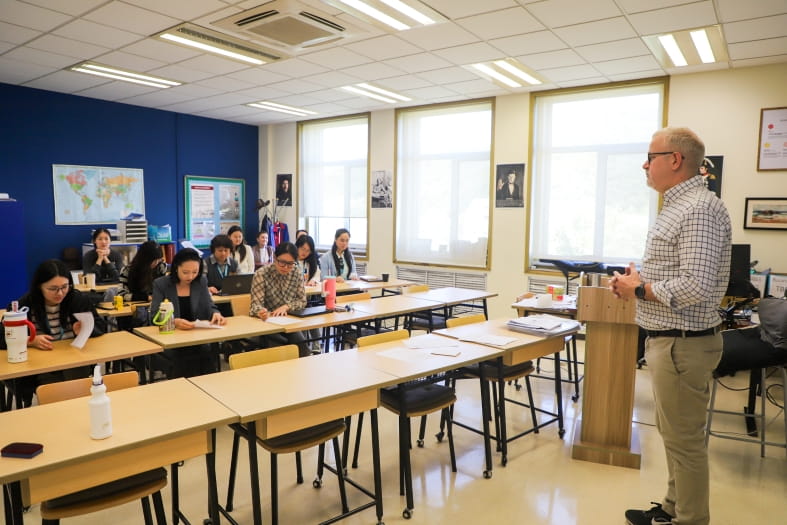
From this foundation, AI can support the development of presentations, homework assignments, quizzes, guided notes, short readings, vocabulary lists, posters, visual materials, and differentiated instructional resources and scaffolds.
The goal is not simply to have AI “make a lesson.” Instead, it becomes one part of a broader process in which the teacher provides the content knowledge, pedagogical judgment, standards, context, and quality control.
Keeping Learning at the Center
An important part of the discussion focused on how teachers can make productive use of AI while keeping genuine student learning at the center.
Teachers explored how assignments can require personal reflection, specific classroom experiences, original analysis, local examples, and other evidence of students’ own thinking. They also considered assignments in which AI is intentionally incorporated into the learning process, giving students opportunities to learn how to use it productively, responsibly, and critically.
Another approach discussed was asking students to demonstrate knowledge and skills independently after using AI. This could include explaining their thinking, reproducing part of their work in class, answering follow-up questions, or completing a related task independently. Teachers also discussed the value of supervised in-class work where they can directly observe the learning process.
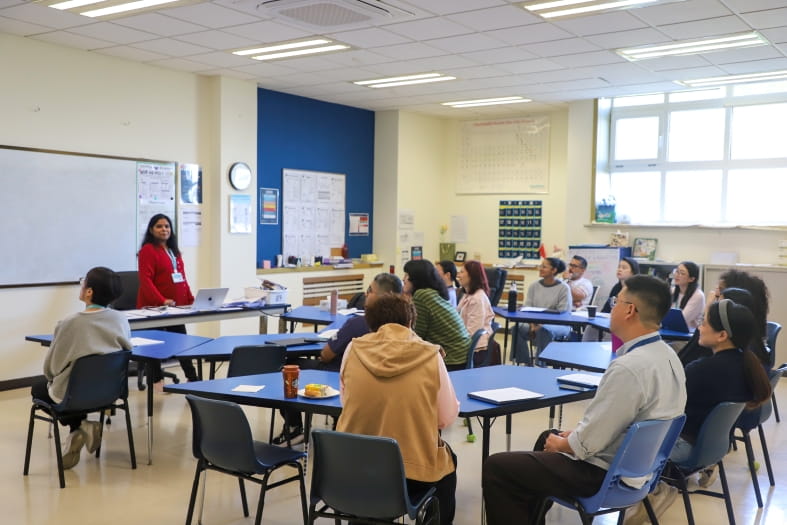
The conversation extended across different subject areas. EAL teachers considered how students can benefit from language technology while continuing to build vocabulary, reading, writing, and grammar skills. Art teachers explored originality and personal expression, while music and other practical subjects highlighted the importance of physical instruction and repeated practice in developing skills.
These different perspectives reinforced an important point: effective AI use will not necessarily look the same in every classroom.
Using AI Critically
As AI becomes more accessible, knowing how to evaluate what it produces is becoming increasingly important.
Teachers discussed the need for students to know how to construct effective prompts, evaluate the quality of an AI response, and recognize when information may be inaccurate. Responsible use also includes being thoughtful about what information is entered into AI systems, particularly when personal or student information is involved.
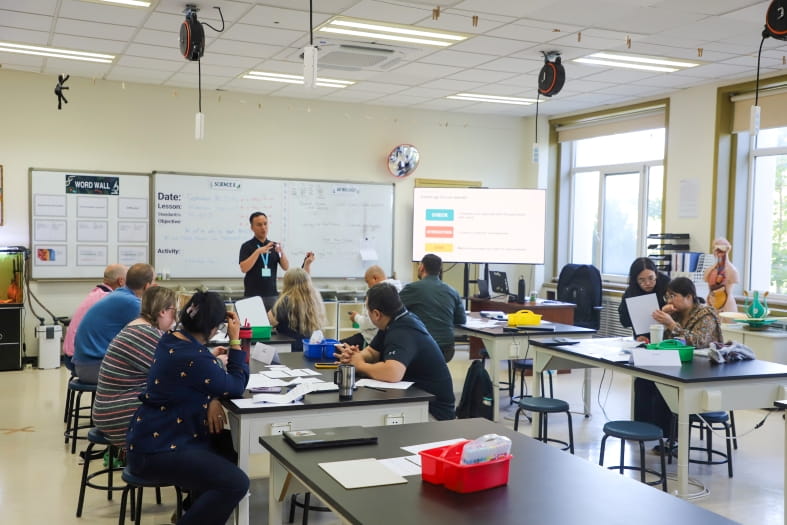
This places critical thinking at the heart of AI literacy. Students still need to analyze, evaluate, create, solve problems independently, and develop their own ideas. AI can become part of that learning process without becoming a substitute for it.
Building a Future-Ready Approach to Learning
The October 8–9 Professional Development Days gave our educators time to explore how teaching continues to evolve alongside the world our students are entering.
AI offers new possibilities for differentiation, standards- and skills-aligned materials, lesson preparation, feedback, and new approaches to teaching. At the same time, the role of the teacher remains essential in deciding how and when those tools add genuine value to learning.
As our teachers continue to share experiences and develop their approaches to AI in the classroom, the focus remains on preparing students not simply to use new technologies, but to use them thoughtfully and purposefully.
Preparing students for an AI-powered future is not about giving them easier access to answers. It is about helping them ask better questions, think for themselves, and use new tools with purpose.
Related news
News image ![Thomas Sebahi DAIS Class of 2026]() Blog | Alumni
 Blog | Alumni
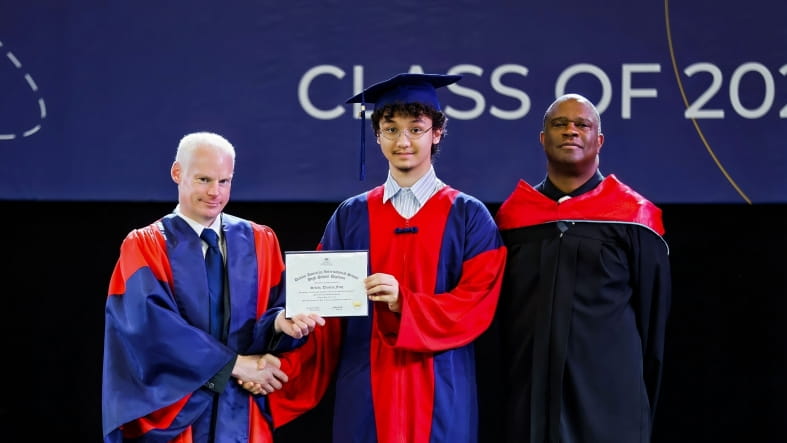
Building a Future in Quantum Computing: Meet Thomas Sebahi, DAIS Class of 2026
Now at McGill University in Canada, Thomas is continuing his academic journey with his sights set on quantum computing.
News image ![Mr. Martin Moratillo]() Blog | Whole school
 Blog | Whole school
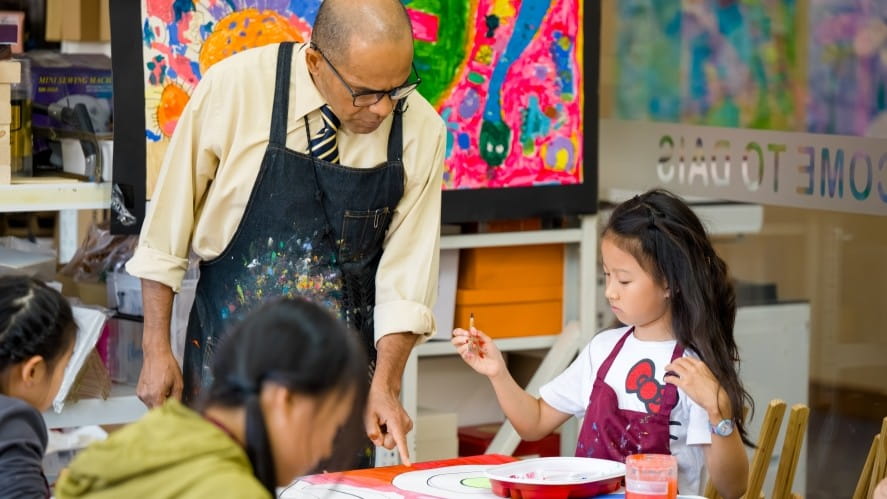
If Machines Can Do More and More, What Is Education For?
As artificial intelligence advances, Mr. Martin Moratillo explores why human connection remains education's most important purpose.