14 October, 2026
Building a Future in Quantum Computing: Meet Thomas Sebahi, DAIS Class of 2026
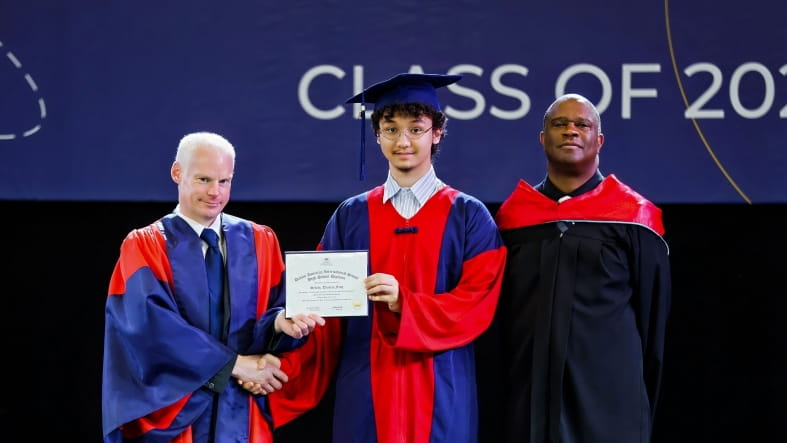

For Thomas Sebahi, DAIS Class of 2026 graduate, adapting to new educational systems has been a constant throughout his school years. From the French educational system to Canadian and American international schools, each experience brought a different academic environment and new expectations. Now at McGill University in Canada, Thomas is continuing his academic journey with his sights set on quantum computing.
Experience at DAIS
I have been in China for about four years, and DAIS has shaped both my academics and my sense of direction in ways I didn't expect.
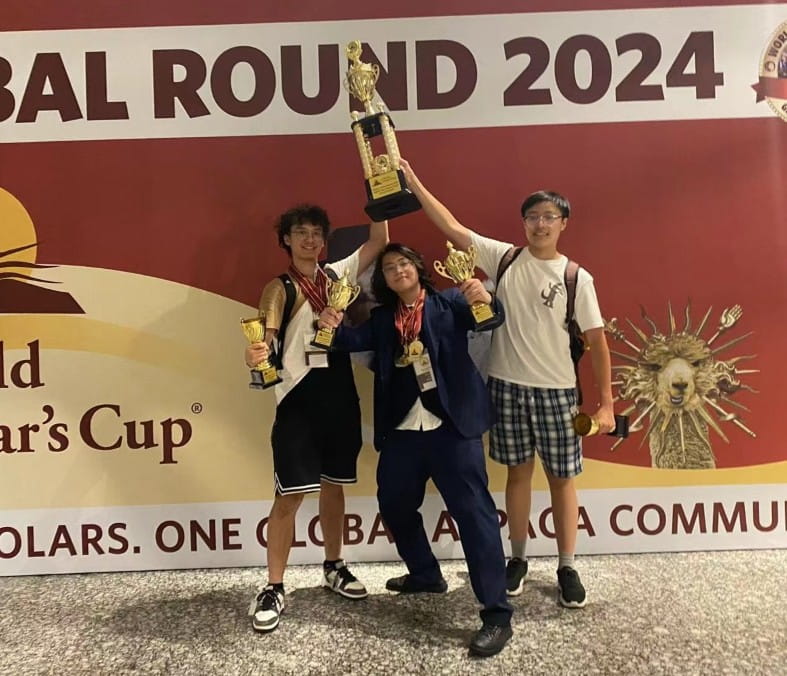
World Scholar's Cup
I spent my early years in the UAE, growing up within the French educational system. It was an international environment by nature, with classmates from everywhere and English and French as the common languages. There was also a culture of academic rigor that I didn’t fully appreciate until later. That foundation, combined with moving to China at a young age, made me comfortable with change and with being the new person in the room.
Before joining DAIS, I had been in a French international school and a Canadian international school. Even with that experience, the transition wasn’t seamless. Adjusting to a new curriculum and a different academic culture took time. But the teachers at Dalian American International School were genuinely supportive, and that made the difference.
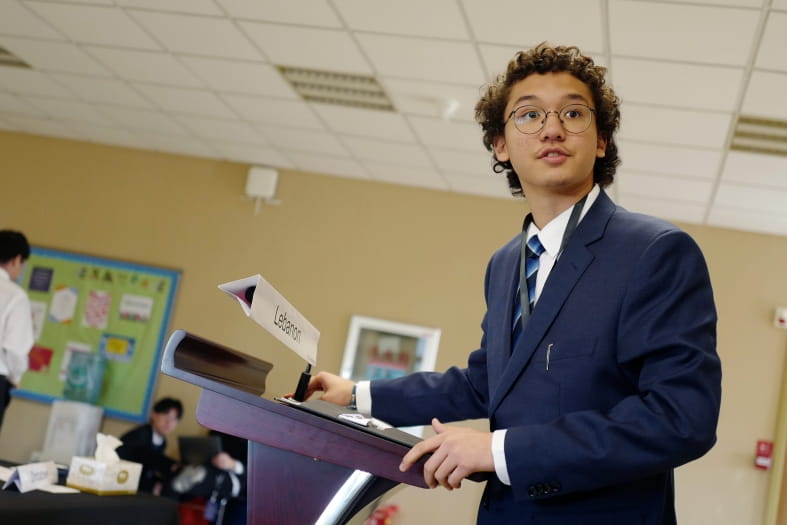
DAISMUN
From the beginning, I was drawn to subjects that felt both rigorous and open-ended. In Grade 10, I started taking AP courses, and while the jump in difficulty was real, those early experiences built the foundation I needed for junior and senior year. I took AP Calculus BC, AP Physics 2, AP Chemistry, and AP Chinese, courses that pushed me to think more carefully and work more independently.
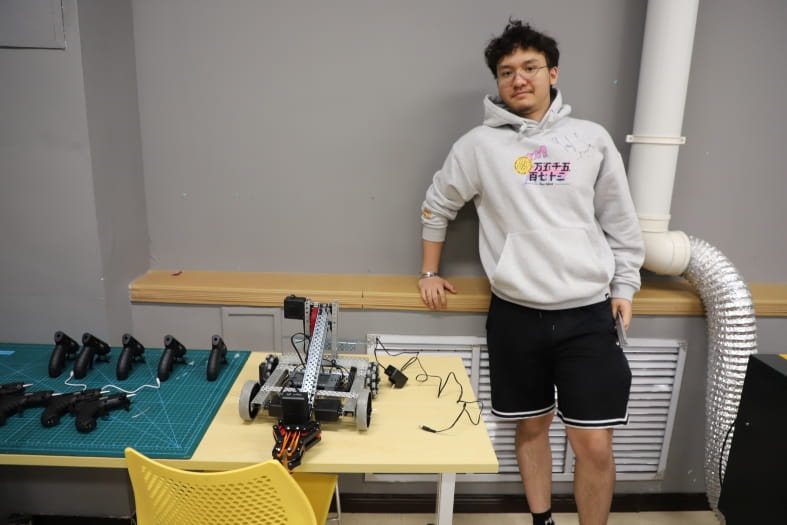
Robotics Club
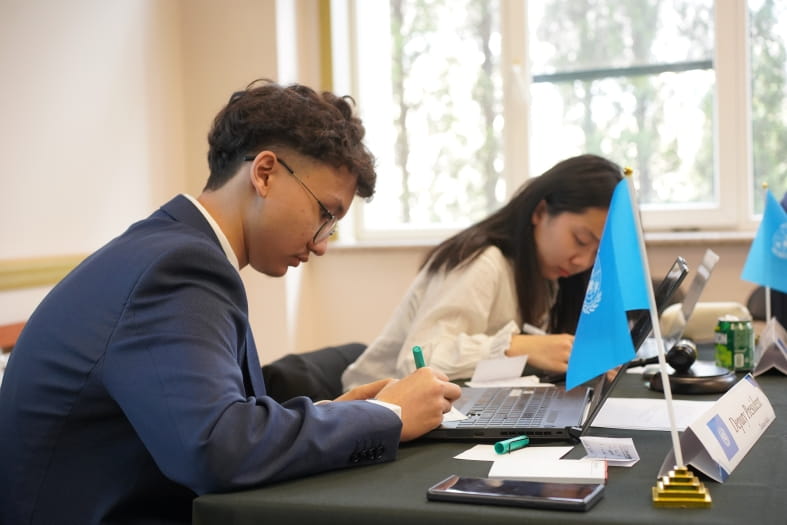
Outside the classroom, I participated in MUN over multiple years, first as a delegate and then in leadership roles, including serving as deputy secretary general for our MUN conferences. Robotics was another constant. These experiences taught me things no class really could: how to explain something clearly, how to lead without taking over, and how to stay composed when things don't go to plan.
The College Application Process
I applied to universities across several different countries and systems simultaneously: French institutions through Parcoursup, Swiss schools including EPFL, Canadian universities like McGill and Waterloo, and American schools. Each system had its own requirements, timelines, and logic, which made the process genuinely demanding.
Some applications asked for detailed motivation letters. Others focused almost entirely on grades. A few required specific entrance procedures on top of everything else. Staying organized and understanding what each school was looking for was an important part of navigating the process.
There were rejections along the way. But I also received offers from Waterloo’s Nanotechnology Engineering program, Sorbonne’s Computer Science program, and Université Grenoble Alpes’ Mathematics and Computer Science program. After such a long application process, receiving those offers was especially meaningful. In the end, I chose McGill University in Canada.
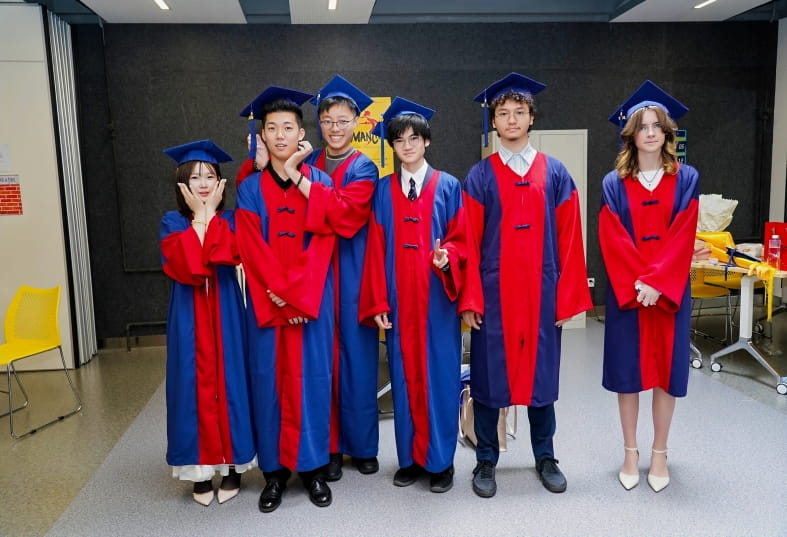
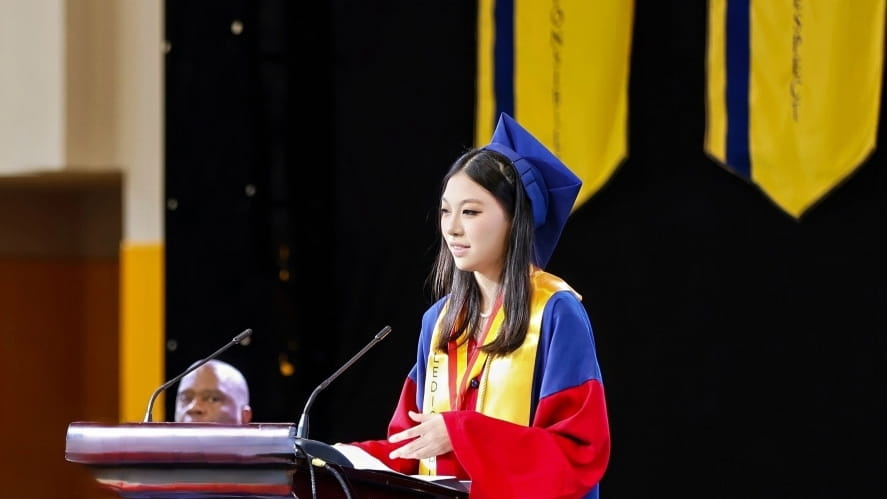
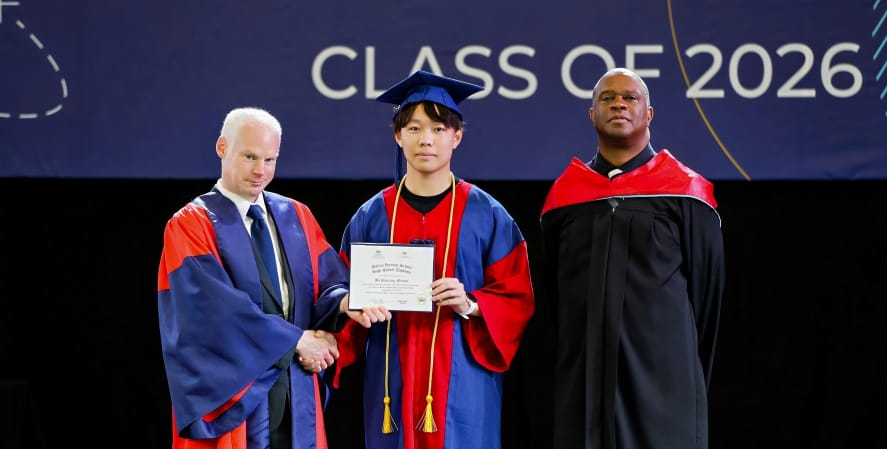
Graduation ceremony
One thing I'd pass on to upcoming seniors: start researching each school's requirements early, especially regarding scholarships, as eligibility can depend on nationality or other factors that aren't always obvious upfront. And finally, try not to catch “senioritis” too early in the year.
Looking Forward
I'm heading into university with a clear interest in quantum computing, something I've been exploring independently through self-study, Q#, and Azure Quantum for the past few years. I'm excited to pursue it in a more structured environment.
DAIS gave me more than I expected. The academics were strong, but what I'll carry forward most are the habits built outside the classroom: curiosity, resilience, and the ability to find my footing in unfamiliar places. Those feel like the things that actually matter.
Text: Thomas Sebahi
Editor: Svetlana Ulyakhina
Related news
News image ![Sara Chen, DAIS Class of 2026]() Blog | Alumni
Blog | Alumni
 Blog | Alumni
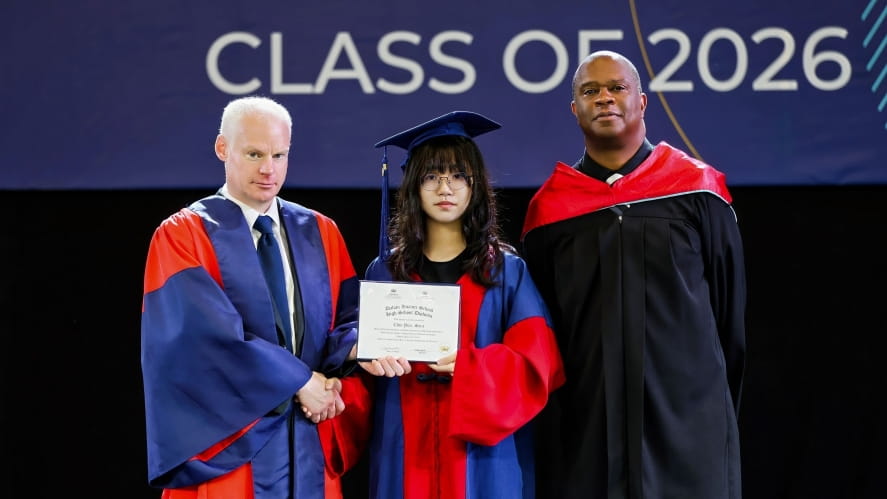
 Trinity College Dublin Bound: Meet Sara Chen, DAIS/DHS Class of 2026
Sara was was looking for a university that felt like the right fit rather than focusing solely on QS rankings.
News image ![Ukon Yamauchi, DAIS Class of 2026]() Blog | Alumni
Blog | Alumni
 Blog | Alumni
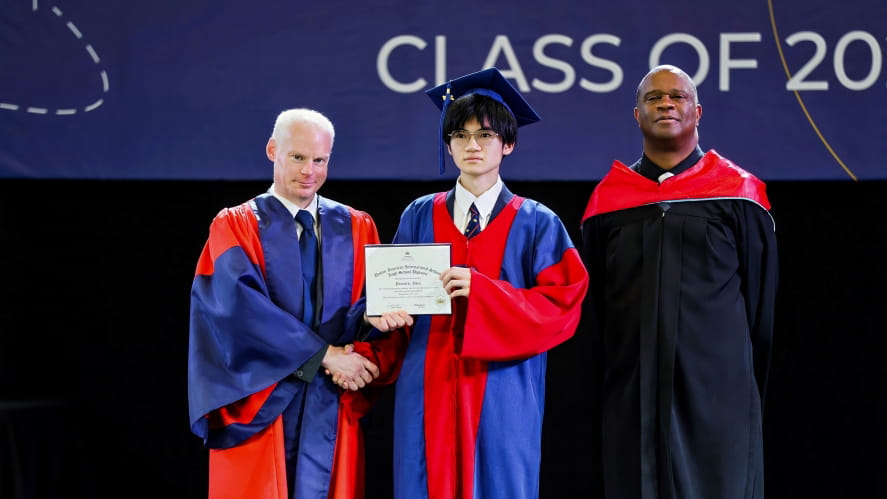
 From DAIS to the Stars: Ukon's Journey to Physics and Astronomy
Meet DAIS Class of 2026 graduate Ukon and discover how his passion for astronomy and physics led him to the Australian National University.