01 July, 2026
Introducing Singapore Math in DAIS Elementary
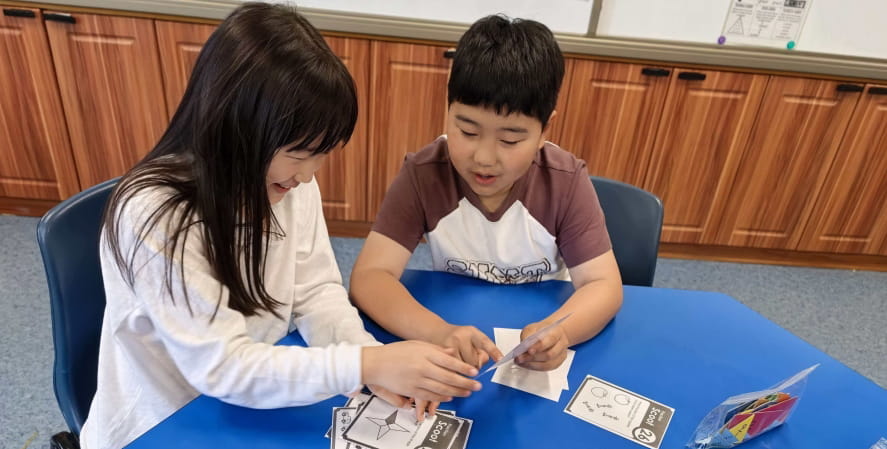

As part of ongoing curriculum review and school improvement planning, DAIS Elementary will transition to Singapore Math (Dimensions) from Kindergarten through Grade 5 beginning next school year.
This decision follows a comprehensive evaluation of the mathematics program, including student assessment data, classroom observations, and teacher feedback. The purpose of this transition is to strengthen clarity, depth, and consistency in mathematics learning, while continuing to meet the same academic standards.
What is Singapore Math?
Singapore Math was developed in Singapore, a country widely recognized for strong mathematics learning. It is a mastery‑based approach that focuses on helping students build deep understanding step by step. The Dimensions program selected by DAIS reflects this approach and remains fully aligned with the Common Core State Standards we're using.
The curriculum is carefully structured so that each new concept builds logically on what students already know. Instead of simple memorization, students are given time to develop understanding before moving forward, helping learning feel more connected and meaningful.
Why We Chose Singapore Math
The Elementary School's program review showed a need to further strengthen mathematics teaching and learning in our school. Singapore Math offers a clear, structured learning pathway that allows students to stay with key math ideas long enough to understand them well, practice them, and use them in different ways. This approach aligns well with our students' readiness and supports focused, intentional progression across grade levels.
This transition is an improvement in mathematics teaching and learning, not a change in academic standards. Expectations remain the same, while the structure of learning becomes clearer and more purposeful.
The Key Advantage
The key advantage of Singapore Math is its emphasis on deep conceptual understanding. Students spend more time working with fewer concepts, allowing them to develop strong foundations before moving on. This helps students build clearer mental models, make connections between ideas, and apply what they learn more effectively over time.
What Math Lessons Will Look Like
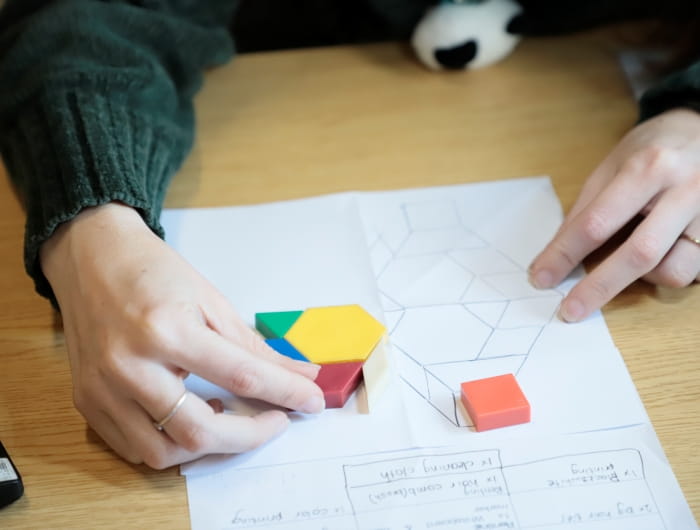
A defining feature of Singapore Math is the CPA approach: Concrete → Pictorial → Abstract.
Students first explore new ideas using hands-on materials. They then work with visual models, such as drawings and diagrams, to support their thinking. Finally, they use numbers and symbols once understanding is secure.

Problem solving is an integral part of instruction. Students are expected to reason, explain their thinking, and apply their understanding in new situations.
Learning is clearly structured and builds step by step from one grade to the next. At the same time, Singapore Math develops perseverance, resilience, communication, and logical thinking - life skills for success.
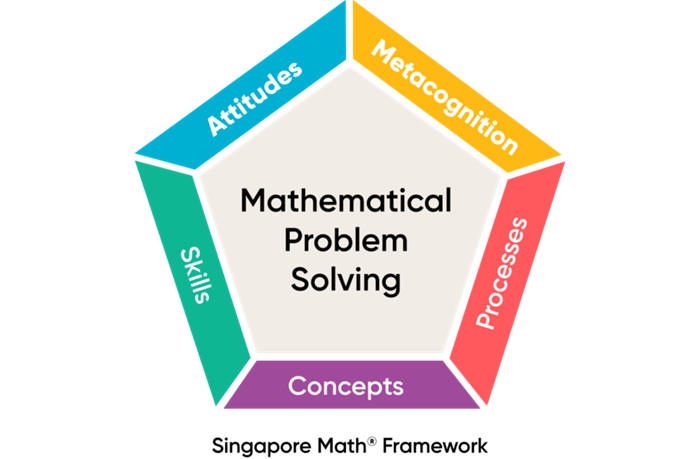
DAIS will continue to allocate eight mathematics lessons per week for all Elementary students. This dedicated math time supports strong foundational learning and provides space for students and teachers to adjust to the new approach.
Supporting All Learners
Singapore Math is designed to support different learners while maintaining high expectations.
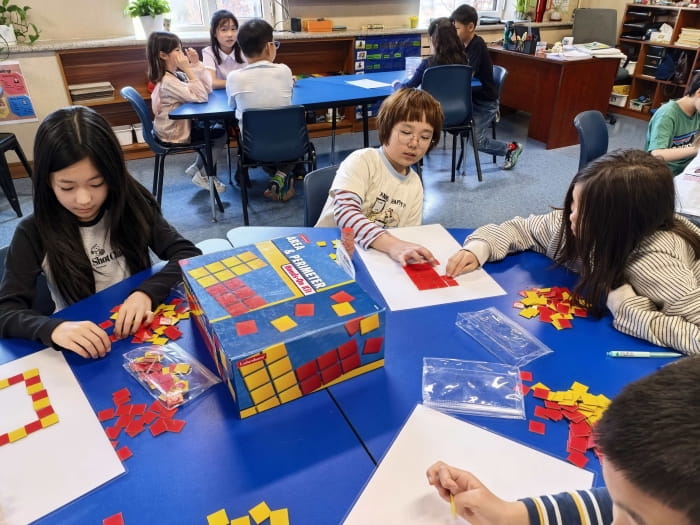
The mastery‑based structure allows students to move forward once understanding is secure. Learning follows the concrete–pictorial–abstract progression, helping students move from experiences and visual models to confident use of numbers and symbols when they are ready. Problem‑solving tasks provide challenge for students who are ready to engage more deeply. This supports all learners while maintaining strong academic learning.
Moving Forward
The transition to Singapore Math reflects a thoughtful decision based on learning needs of DAIS Elementary students. With its clear structure and strong focus on understanding and problem solving, Singapore Math supports steady and meaningful mathematics learning over time.
DAIS remains committed to supporting students, teachers, and families throughout this transition as part of our focus on high-quality teaching and learning. Our goal is not only to help students succeed in math, but to help them become curious, confident thinkers prepared for the future.
Related news
News image ![building for the community]() News | Elementary
News | Elementary
 News | Elementary
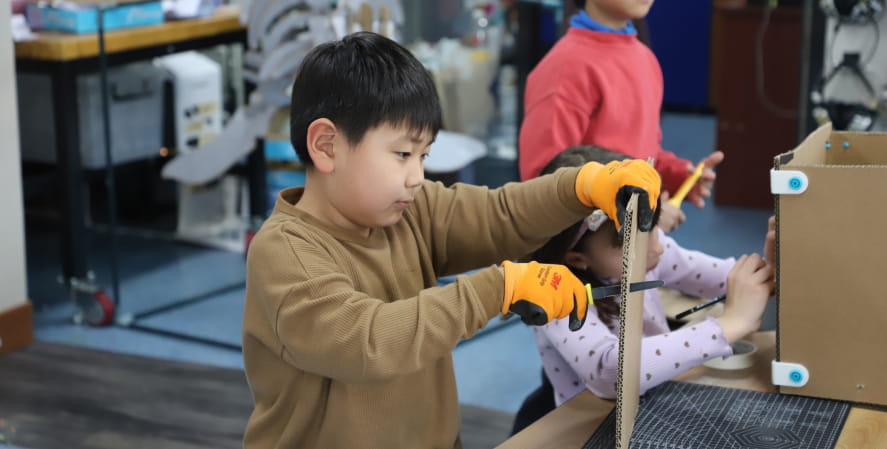
 Teamworks! Building for Community: Grade 2 Wraps up the Final MIT Challenge
Through this challenge, students discovered how engineering and empathy can work together to make a meaningful difference.
News image ![Elementary students in the library]() Blog | Early Years | Elementary
Blog | Early Years | Elementary
 Blog | Early Years | Elementary
 Everyday Magic in the Elementary School: Classroom Highlights
Our Elementary School classrooms are alive with curiosity, collaboration, and joyful learning!