16 June, 2026
Returning to China: What International Families Worry About the Most
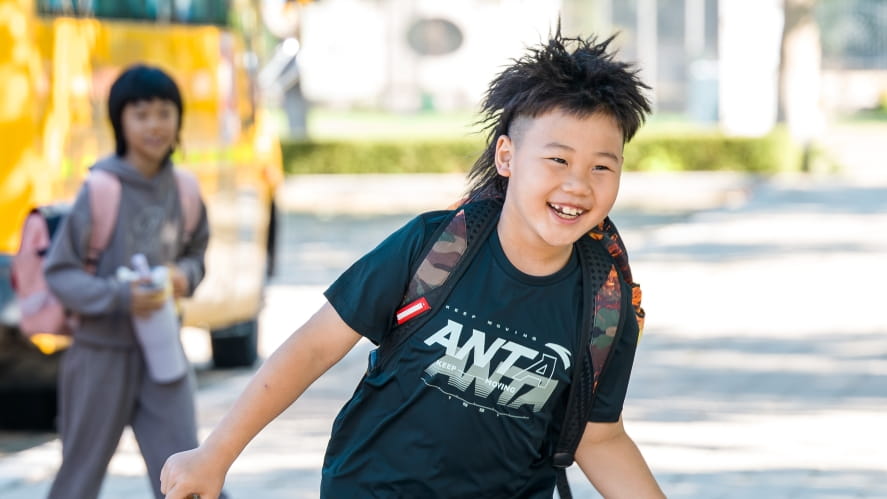

A quote stated that “A move to a brand-new country is a beautiful opportunity for growth.” Indeed, relocating to a new country is always a major life event. However, for international families moving to China, the transition comes with a unique set of emotional and practical hurdles. While it may feel like a "homecoming" to parents, children may often experience it as a complete cultural migration. Here is a breakdown of the top five worries that families usually encounter, along with practical solutions to better help our students thrive in our community.
Academic Gaps
Many children move into a Western curriculum that prioritizes interactive discussions and group activities. Because of this, it is common for a student to find themselves academically unbalanced, such as being a full year ahead in mathematics but suddenly two years behind in English reading and writing courses.
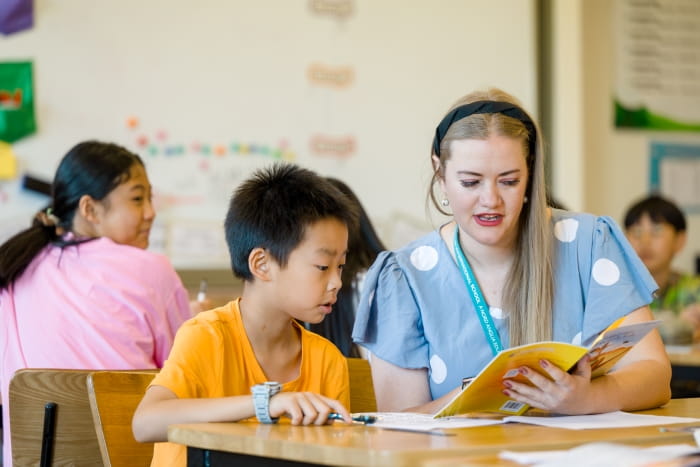
Parents can ease this friction by conducting a pre-arrival curriculum audit, especially by comparing their child's current syllabus directly with the target school in China. It helps to shift their children’s mindset early, especially by reminding them that a single grade or test score does not define their entire learning journey.
Language Anxiety
For many returning students, language becomes a source of intense self-consciousness. A child might speak fluent English at home but find themselves completely stuck when trying to communicate effectively in Mandarin. They often worry about using the wrong words, misunderstanding modern peer slang, or speaking Mandarin with a noticeable foreign accent that marks them as an outsider.
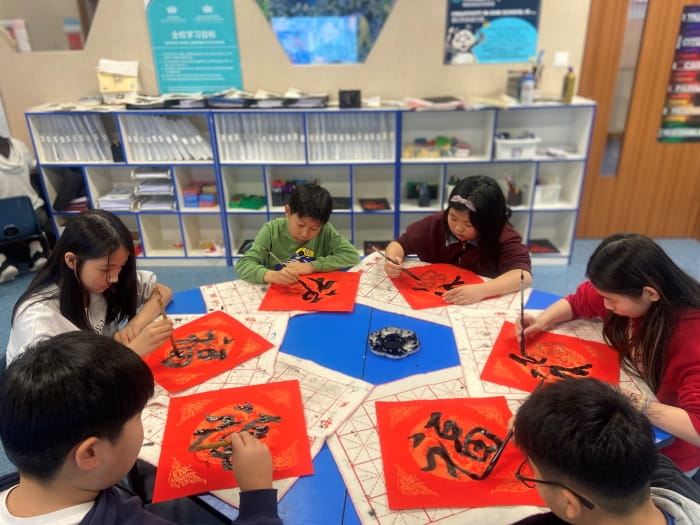
The best way to overcome this anxiety is to normalize the learning process. Specifically, parents should encourage teenagers to not to be afraid of talking to native speakers. At home, they may also practice Mandarin as much as possible through low-pressure, enjoyable activities like reading local books, listening to popular podcasts, and watching Chinese dramas or variety shows together.
Friendship Building
Upon arrival, teenagers may frequently feel left out of conversations simply because they lack familiarity with local pop culture, games, or social media trends. The grief of missing old friends combined with the struggle to fit into new social circles can feel incredibly isolating.
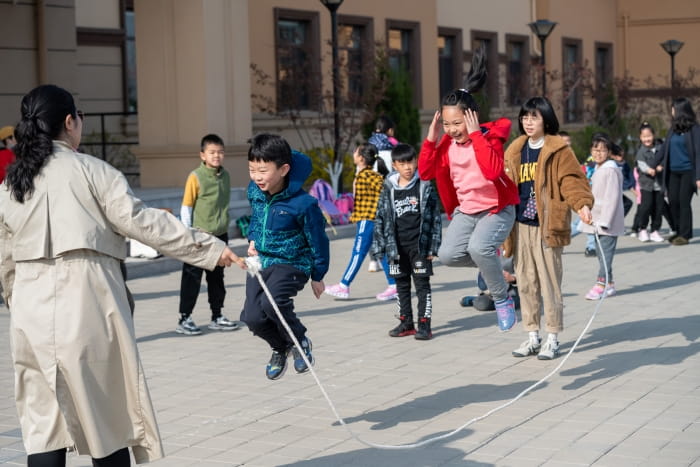
In this case, parents can fast-track social connections by enrolling their children in local summer camps, sports teams, or hobby clubs where friendships form naturally over shared activities. More importantly, parents should also remind their children to practice active listening to understand their new peers, while reassuring them that they do not need to drastically change who they are just for the sake of fitting in.
Identity Transitioning
Besides the previous points being mentioned, many returning children may look entirely Chinese on the outside, but they feel completely American or British on the inside. In this case, the challenge lies within this duality, which means they may face high expectations from extended family to blend in perfectly, which only intensifies their internal cultural clash.
Families should connect with other returning international families in China who share the exact same background, creating an immediate sense of shared belonging. They should also encourage their children to use journaling or creative outlets to process their shifting sense of self and remind them that their multicultural background is a profound strength, not a deficit.
Cultural Differences
Lastly, even if a family has visited China for vacations before, living there day-to-day indicates a massive shift in life. The fast-paced lifestyle of major Chinese cities can feel completely overwhelming at first. Furthermore, the total reliance on hyper-digitalized, cashless, smartphone-dependent systems for everything from buying groceries to hailing a ride can create a steep learning curve for the whole family.
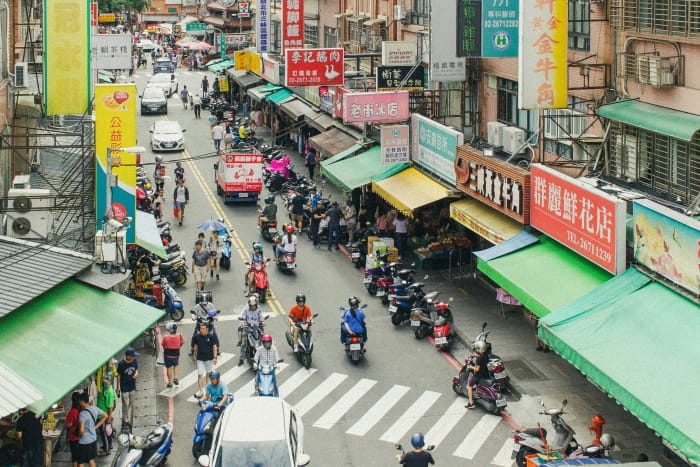
Busy Chinese street, Photo by Moralis Tsai
To resolve this issue, families may first explore the new city together through the eyes of a tourist. Remember: keep it fun, low-pressure, and adventurous. Then, to counter the reverse culture shock, maintain familiar family routines and stock up on comfort foods from your previous country to act as an emotional anchor. Families should remember to always approach the new environment with an open mind, ready to accept new ideas, traditions, and societal rules.
What can DAIS provide for you?
At Dalian American International School (DAIS), we specifically tailor our environment to support international families through every step of this journey:
- Personalized Language Learning: We offer Mandarin classes ranging across many different levels, personalized specifically to meet each child’s current language proficiency.
- Advanced Tracks: For students looking to push their skills further, we provide advanced courses such as AP Chinese and A-Level Chinese.
- Supportive Environment: Our educators are trained to teach active listening, aiming to create an atmosphere where students feel safe to practice. We actively validate and encourage our learners, acknowledging their ideas and contributions directly after they speak Chinese to build their confidence.
- Accessible Classrooms: Teachers leverage multimodal visual aids, using visual slides and bilingual glossaries for key concepts to ensure no student is left behind due to a language barrier.
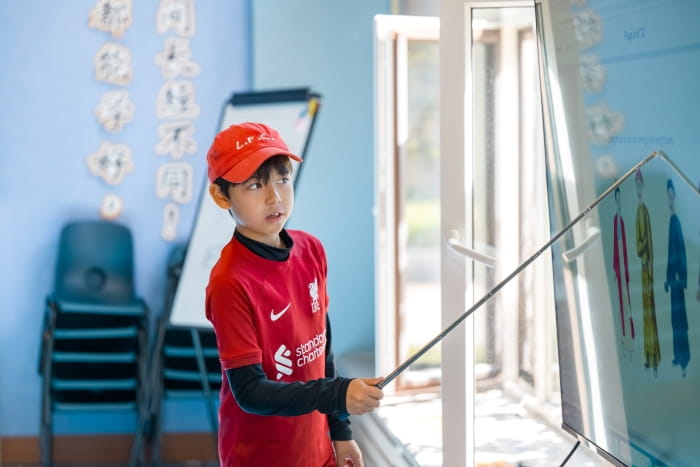
Besides supporting international families’ Mandarin-learning experiences, DAIS also maintains a robust, high-level English curriculum and an English-speaking environment. This ensures that while students bridge their Chinese language gaps, their native English fluency is continually supported.
Conclusion
Returning to China is not a simple journey home. For international families, it is a profound cross-cultural migration that challenges a child's academic, linguistic, and emotional foundations. Indeed, proactive preparation transforms these friction points into profound avenues for growth. Ultimately, this transition is not about erasing where they have been, but about expanding who they are and proving that home is not a static place, but a bridge built between two worlds.
Written by Susan Li
DAIS/DHS Class of 2025
UNC Chapel Hill Class of 2029, Psychology major
Related news
News image ![Early years student]() Blog | Early Years
Blog | Early Years
 Blog | Early Years
 Welcome to Early Years at DAIS: Inspiring Curious, Creative Young Minds
The early years are not simply the beginning of school — they are the foundation for life.
News image ![Tiffany Lim, DAIS Class of 2026]() Blog | High school | Alumni
Blog | High school | Alumni
 Blog | High school | Alumni
 From Singapore to DAIS to Top Universities: Tiffany’s Story, Class of 2026
In this reflection, Tiffany Lim shares how her experiences at DAIS have prepared her to make an informed university choice among opportunities in Australia and Singapore.