14 May, 2026
DAIS Students Experience Diplomacy Through Yalta 2.0 Historical Simulation

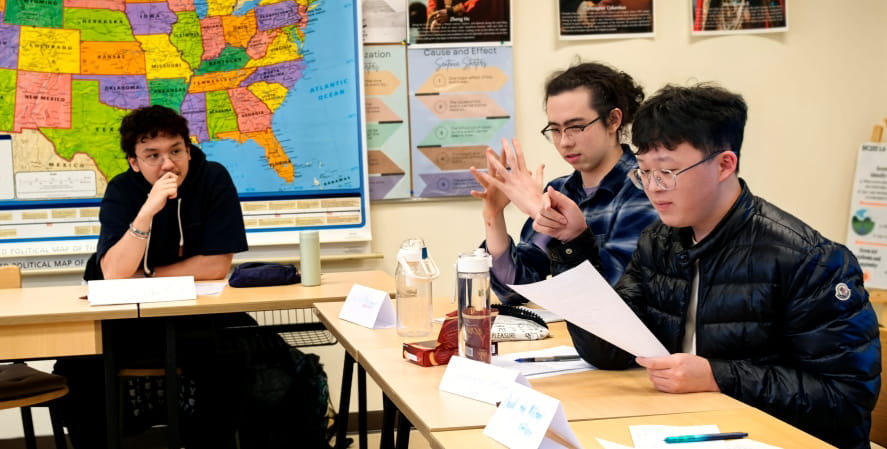
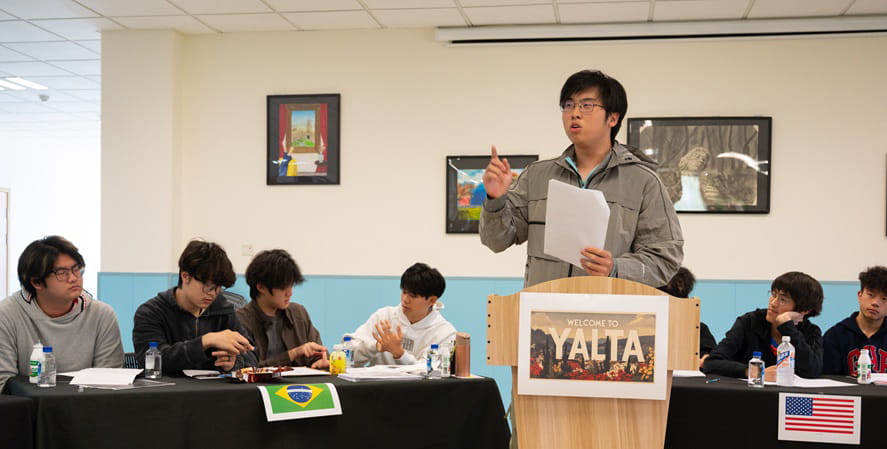
Our students recently participated in an immersive simulation of the Yalta Conference, stepping into the roles of world leaders and diplomats tasked with shaping the postwar world at the end of World War II.
Representing major Allied powers including the United States, the United Kingdom, and the Soviet Union, students engaged in negotiations over some of the most important political questions of the twentieth century. In addition, several additional countries that did not historically participate in the Yalta Conference were included to broaden the scope of perspectives and deepen diplomatic complexity.
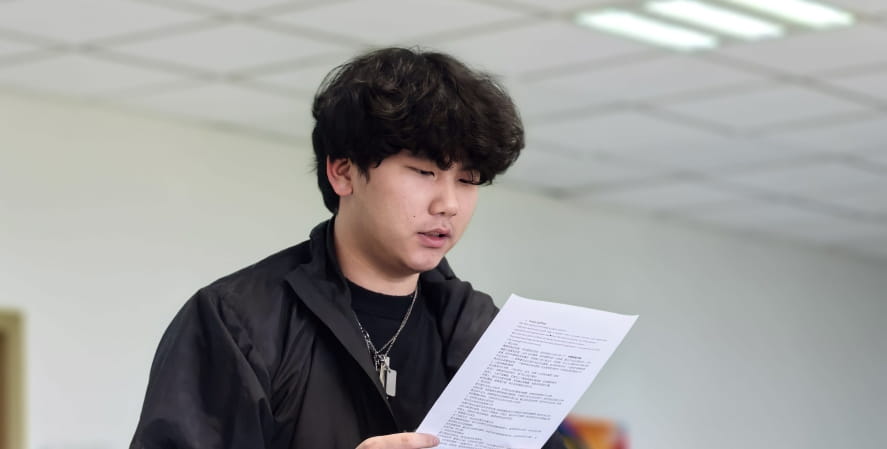
Throughout the simulation, students debated key issues such as the division of Germany, the future of Eastern Europe, the future of Japan, the creation of the United Nations, and the emerging balance of power in the postwar world. One benefit of the activity was the development of English language presentation skills. Students practiced speech delivery, argumentation, and diplomatic negotiations. Many students demonstrated significant growth in oral fluency, confidence, and clarity of expression, particularly in high-pressure discussion and negotiation settings.
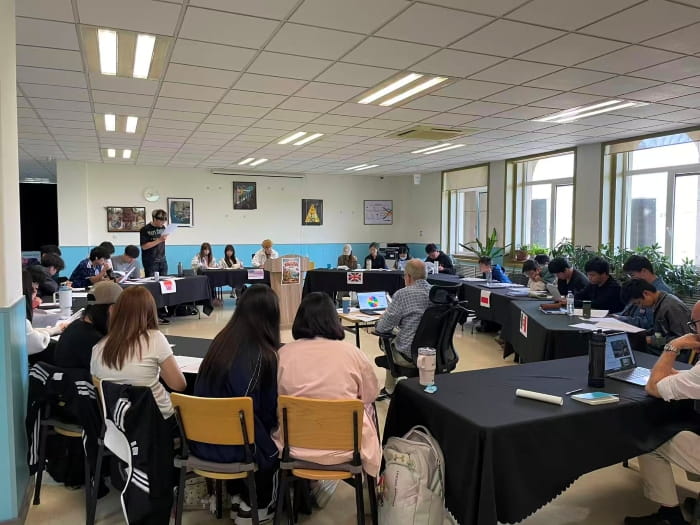
Preparation for the simulation was extensive. Students researched their assigned countries and explored multiple possible scenarios and contingencies in advance. As a result, many delegations entered the simulation highly prepared, with clear strategies and well-developed arguments. Participation throughout the activity was active and enthusiastic. Every Grade 10 Modern World History student attended the simulation, with not a single absence. Importantly, every single student participated and contributed to their team’s efforts, from the strongest English speakers to those still developing language proficiency. This inclusive participation demonstrated meaningful growth across the grade.
The simulation also emphasized historical thinking skills. Students were required to analyze perspectives, evaluate competing interests, and make decisions based on historical evidence while remaining in character as national delegations. This created a dynamic environment in which students had to balance ideology, security concerns, and diplomatic compromise. One of the most stimulating aspects of the simulation was the opportunity for students to experience the complexity of international diplomacy firsthand. Rather than simply studying historical outcomes, students actively engaged in the decision-making processes that shaped the postwar world, developing a deeper understanding of how political tensions and competing priorities influence global events.
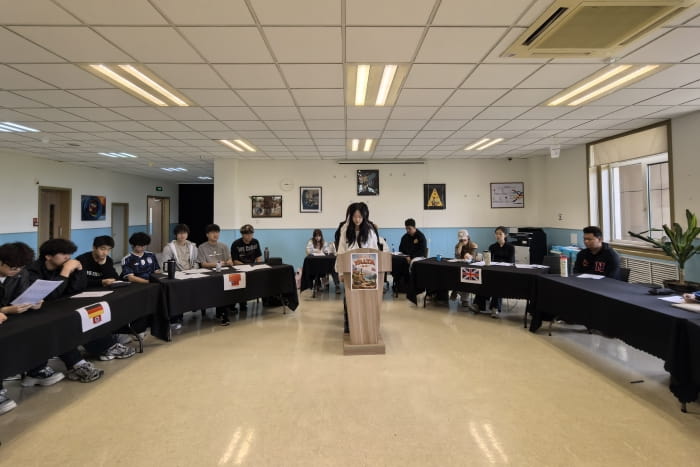
The activity also highlighted the early tensions that would later contribute to the Cold War. As negotiations unfolded, students gained insight into how disagreements over security, governance, and influence shaped long-term international relations.
“I was very pleased with this year’s participation in our historical simulation and level of preparation from students was fantastic," reflected social studies teacher Peter Waldvogel (Mr. W) "Each ‘nation’ presented its own interests and goals clearly and convincingly. The opportunity to actively experience and participate in history and make use of all the historical thinking skills we have been developing this year was a unique challenge that students met admirably and successfully. It was exciting to watch, and I believe students really enjoyed the process.”
Overall, the simulation provided students with a meaningful opportunity to connect historical content with communication, collaboration, and analytical thinking skills. By engaging directly with the challenges faced by world leaders in 1945, students developed a stronger appreciation for the complexity of diplomacy and the lasting impact of historical decisions.
Related news
News image ![National History Day exposition]() News | High school
News | High school
 News | High school
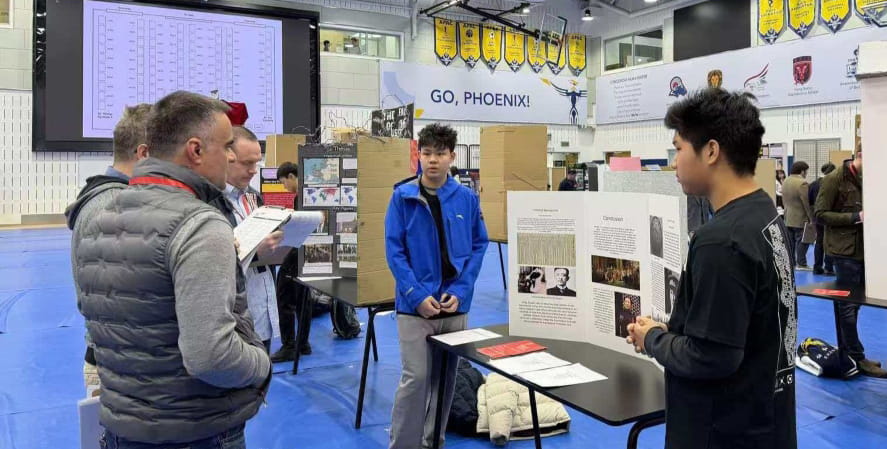
 DAIS Makes Its Debut at National History Day China
NHD is an internationally recognized program that challenges students to engage in in-depth historical inquiry.
News image ![History project presentation]() News | High school
News | High school
 News | High school
 Inaugural NHD Cohort Prepares for National Competition in Shanghai
Students completed their first-ever cycle of National History Day research projects.